
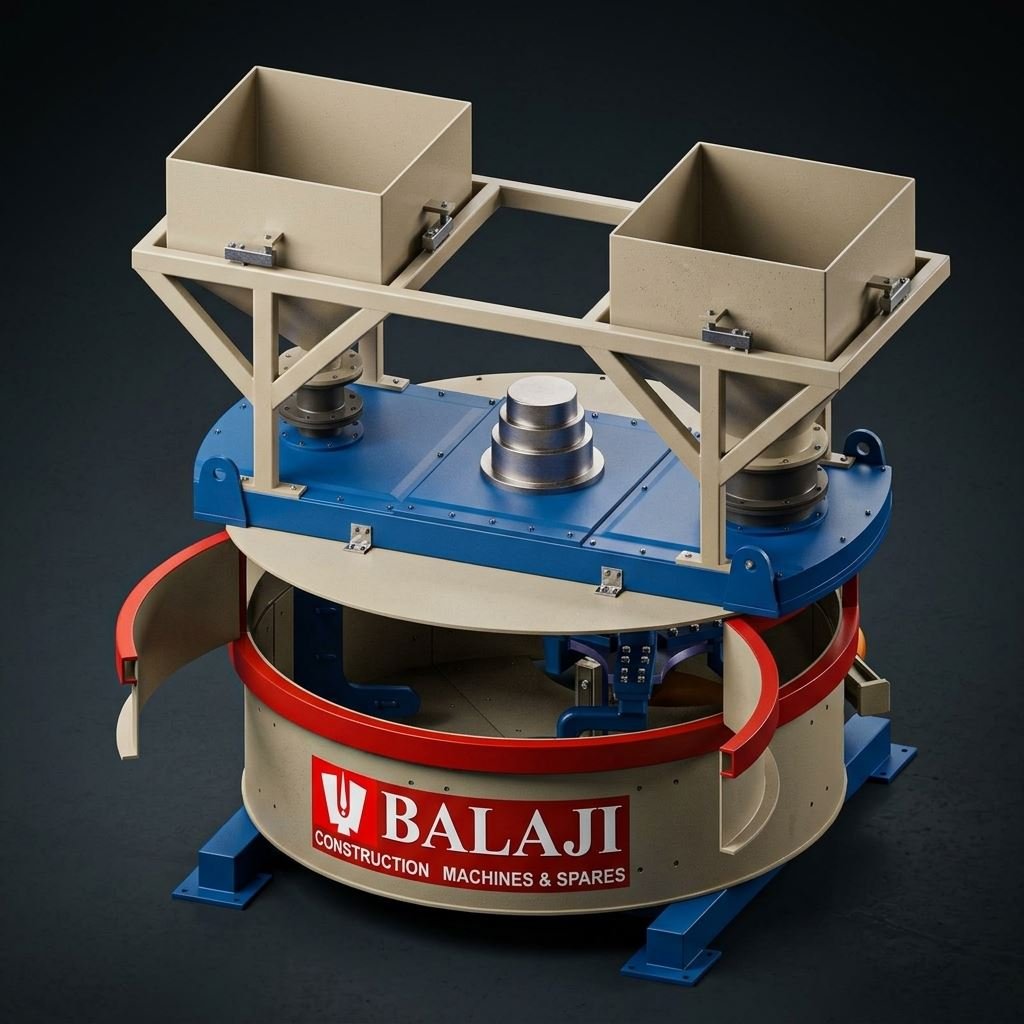
planetary mixer for glass industry
Summary: Planetary mixers originally built for concrete offer unmatched abrasion resistance and mixing homogeneity for glass and paint industries. Featuring premium gearboxes premium castings and complex cycloidal motion these robust machines eliminate dead zones completely. They ensure perfect particle distribution while withstanding severe grinding action of silica and recycled glass cullet.
The industrial manufacturing landscape is witnessing a massive shift in how plant engineers approach raw material blending. For decades plant managers operating within the heavy glass and paint manufacturing sectors faced a persistent mechanical challenge. The raw materials required for their chemical processes are incredibly dense highly abrasive and notoriously difficult to blend evenly. Traditional drum equipment or standard twin shaft setups constantly suffer from rapid mechanical failure and severe structural wear when subjected to these aggressive industrial compounds. Today leading mechanical engineers have found the ultimate solution by looking completely outside their own sector. They are successfully adapting heavy duty concrete planetary mixers for specialized chemical applications. This profound equipment crossover is particularly evident across the sprawling industrial corridors of Maharashtra India where massive manufacturing plants demand extreme mechanical reliability and zero operational downtime.
To understand exactly why this specific machinery excels we must completely analyze the underlying mechanical engineering the applied material sciences and the precise fluid dynamics taking place inside the mixing chamber. This technical guide explores every functional component that makes a planetary mixer the premier choice for modern glass and paint production facilities.
The Mechanical Physics of Planetary Motion
At the core of this machinery is a highly complex drive system designed to force raw materials into absolute homogeneity. Unlike standard machines where a central shaft merely spins blades in a simple circle a planetary system operates on complex cycloidal kinematics. The entire central star hub revolves continuously around the absolute center point of the heavy mixing pan. While this massive hub revolves it carries multiple independent vertical shafts. Each of these individual shafts holds heavy mixing arms that rotate rapidly on their own independent axes.
This dual action creates a dense intersecting web of movement that covers every single square millimeter of the floor and walls. In fluid dynamics and powder mechanics this specific motion ensures that absolutely zero dead zones exist. A dead zone is an area where material stagnates and avoids physical interaction with the active batch. When blending glass batch components like fine silica sand dense soda ash and coarse crushed cullet avoiding stagnation is critical. The overlapping trajectory of the planetary arms aggressively lifts pushes and folds the diverse materials together. This forces microscopic particles of fluxing agents to coat the larger silica grains evenly ensuring a highly consistent melt once the batch enters the intense heat of the glass furnace.
Engineering the Transmission for Extreme Industrial Loads
Any experienced mechanical engineer will confirm that the transmission gearbox is the absolute most vulnerable component of heavy rotational machinery. When a mechanical loader dumps two tons of solid crushed glass into a steel drum the resulting torque shockwave travels directly up the mixing shafts and slams straight into the central gear system. Standard commercial gearboxes shatter or strip under this immense localized stress.
However units manufactured by specialized builders like Balaji Construction Machines based in the Satara district of Maharashtra are engineered with an incredibly strict Factor of Safety rating of 2.0 minimum. In practical engineering terms this means the internal gears the heavy steel bearings and the massive cast iron housing are physically designed to withstand exactly twice the absolute maximum expected operational load without experiencing catastrophic structural failure.
To manage the massive thermal energy generated by continuous heavy friction these advanced gearboxes utilize a wide horizontal oil bath lubrication system. The lowest load bearing gears sit completely submerged in premium industrial oil. As they rotate they constantly pull a thick protective film of cool oil upwards coating the upper gear teeth and the heavy planetary bearings. The massive outer casing acts as a natural heat sink radiating thermal energy away from the moving parts. This exceptional level of cautious overengineering grants the central transmission a guaranteed minimum operational lifespan of 10000 working hours ensuring massive production runs can continue uninterrupted for years.
Advanced Metallurgy for Extreme Wear Resistance
Glass manufacturing presents one of the most mechanically destructive environments possible. Crushed recycled glass known industrially as cullet acts exactly like thousands of sharp razor blades grinding relentlessly against the inner walls of the mixing drum. Ordinary mild steel or even standard hardened steel alloys will erode completely within just a few weeks of continuous operation.
To combat this severe physical abrasion these advanced planetary mixers employ specialized premium metallurgy. The entire inner lining of the mixing pan including both the flat floor plates and the curved wall plates are cast entirely from premium Ni Hard iron. Ni Hard is a specialized white cast iron alloy containing precisely controlled amounts of nickel and chromium. This specific chemical composition creates an alloy with an exceptionally dense molecular structure resulting in a guaranteed minimum hardness rating of 550 HB on the Brinell hardness scale.
This extreme rigidity prevents the sharp glass shards from gouging or scratching the protective steel surfaces. Furthermore these heavy liner plates are cast with highly uniform thickness. Uniform structural rigidity ensures that the microscopic abrasion rate remains perfectly constant across the entire interior surface area preventing uneven wear channels from forming. Plant operators can expect these premium Ni Hard protective liners to process up to 5000 cubic meters of highly abrasive aggregate before requiring any mechanical replacement.
Blade Geometry and Material Flow Dynamics
The active mixing tools inside the drum are just as critically engineered as the protective wall liners. A standard planetary configuration utilizes three heavy cast iron mixing arms per rotating star hub. These primary mixing arms are intelligently paired with specialized hardened steel scraping arms. The outer scraping arms are positioned meticulously to sweep the very edges of the pan walls while the bottom scrapers continuously clean the floor plate.
The primary mixing blades attached to the rotating arms feature a highly optimized angle of attack. Inexperienced engineers often design blades that slice sharply through dense material but slicing creates massive unnecessary friction and accelerates edge wear. Instead these premium blades are angled specifically to act like miniature plows aggressively pushing the dense glass batch forward. This continuous pushing action forces the raw materials to tumble violently over themselves creating a rapid folding effect that vastly accelerates the blending process.
Because physical wear is completely inevitable when grinding glass the outer leading edges of these Ni Hard mixing blades are purposefully cast significantly thicker than the trailing edges. As the sharp glass slowly erodes the front face the thick metal profile ensures the blade retains its optimal pushing shape for thousands of hours. Additionally the main steel holding arms feature built in vertical adjustment slots. As the bottom edge of the metal blade slowly wears away maintenance technicians can easily loosen two heavy bolts and physically slide the blade downward a few millimeters. This brilliant design perfectly maintains the critical tight clearance gap between the moving metal blade and the stationary floor plate preventing thick layers of unmixed material from hardening on the bottom.
Chemical Blending Precision for the Glass Sector
Creating high quality commercial glass requires absolute chemical stoichiometry. The primary raw ingredients include silica sand which forms the structural glass matrix soda ash which lowers the extreme melting point and limestone which stabilizes the final chemical structure to prevent the glass from dissolving in water. These three primary materials have wildly different physical bulk densities and vastly different microscopic particle sizes.
If these three powders are not blended with microscopic perfection the final product suffers catastrophic failure. Poorly mixed batches create localized regions inside the melting furnace where the chemical composition varies. This leads to visual optical distortions structural weak points or unmelted stones suspended permanently inside the finished glass sheet. The intense mechanical shearing action of the cycloidal planetary arms physically forces the lighter soda ash powders to intimately bond with the heavier silica grains.
Furthermore the addition of crushed cullet complicates the mechanical process. The planetary system easily handles lumps of solid glass physically crushing any small agglomerated chemical lumps and distributing the recycled glass evenly throughout the fine chemical powders. This results in a perfectly homogeneous mixture that melts faster at lower furnace temperatures saving massive amounts of electrical or natural gas energy for the manufacturing plant.
High Shear Dispersion for Paint and Industrial Coatings
While the heavy glass sector values extreme abrasion resistance the paint and industrial chemical sectors value high shear powder dispersion. Manufacturing commercial paint dry wall putty and specialized architectural coatings involves blending extremely fine color pigments volatile synthetic resins and dense calcium carbonate powders.
Color pigments like titanium dioxide are notoriously cohesive. They naturally want to stick together forming stubborn microscopic clumps when exposed to even the slightest amount of ambient humidity. If these dry clumps enter the final liquid paint mixture they create ugly streaks of unmixed color. The extremely fast counter rotating planetary blades generate massive fluid shear forces. These mechanical shear forces physically rip the stubborn pigment clusters apart violently smashing them against the harder calcium carbonate grains until the color is dispersed perfectly at the microscopic level.
The hardened steel scraping arms ensure that absolutely no sticky resins or expensive color pigments can hide in the corners or stick to the walls. Every single ounce of raw material is actively forced into the high shear mixing zone repeatedly. This guarantees brilliant consistent color dispersion across massive industrial batch sizes.
Watertight Sealing and Advanced Discharge Mechanisms
Processing volatile chemical powders and extremely fine toxic dust requires absolute environmental control. When blending fine paint pigments or microscopic silica dust the mixing drum must remain perfectly sealed to prevent hazardous particulate matter from escaping into the factory breathing air.
These premium planetary units feature highly advanced watertight bottom discharge systems. The heavy bottom pan houses up to four independent swing out sector doors. Instead of simple metal on metal contact these thick heavy steel doors compress tightly against specialized industrial rubber seals. The immense closing pressure effectively renders the entire bottom of the machine completely watertight and perfectly dustproof. This prevents any expensive dry chemical additives from leaking out during the intense blending phase.
Because modern factories operate with varying levels of physical automation these discharge doors are fully customizable. Plant engineers can equip the doors with heavy pneumatic air cylinders powerful hydraulic fluid rams or simple manual mechanical levers depending entirely on their specific operational requirements. The doors are designed specifically to swing wide open rapidly allowing the dense heavy mixture to exit the drum in mere seconds without jamming or bridging over the exit hole.
Process Automation and PLC Dosing Integration
Human error is the ultimate enemy of consistent industrial quality control. Modern chemical and glass manufacturing relies entirely on precise repeatable recipes. To eliminate the risk of an operator adding too much soda ash or too little pigment these advanced planetary machines integrate flawlessly with sophisticated digital Programmable Logic Controllers.
These automated digital dosing systems utilize extremely sensitive electronic load cells to weigh every single incoming raw material precisely. The computer commands automated screw conveyors and specialized pneumatic valves to drop exact quantities of silica resin or pigment directly into the mixing drum. Because the planetary mixing action is completely predictable and mathematically consistent the central computer can control the exact mixing time down to the exact second before automatically opening the watertight discharge doors. This level of comprehensive digital automation ensures that the first batch of the morning is chemically identical to the final batch produced late at night.
Maximum Safety Protocols and Structural Access
Heavy rotational machinery poses significant physical risks to factory workers. Safety engineering is just as important as mechanical performance. These massive machines are intelligently designed with the widest possible half opening top safety covers available in the industrial market.
When a maintenance technician needs to clean the interior chamber replace a worn Ni Hard liner plate or adjust a mixing blade they simply lift the massive top cover gaining completely unrestricted physical access to the entire internal mechanism. To absolutely guarantee worker safety a heavy duty physical limit switch is wired directly into the main electrical control panel. The exact millisecond the heavy access door is lifted even a fraction of an inch the safety switch instantly cuts all electrical power to the massive primary drive motor. The internal gears physically brake and the arms stop rotating immediately making accidental startup physically impossible while workers are inside. Additionally the top cover features a reinforced dustproof inspection grid allowing senior plant operators to visually monitor the dynamic blending process safely without exposing themselves to toxic chemical dust or sharp flying glass particles.
Installation Infrastructure and Local Supply Chains
Choosing to establish a heavy manufacturing plant in Maharashtra India offers distinct logistical advantages. The state is home to a massive deeply established industrial infrastructure heavily populated with highly skilled mechanical technicians and advanced metallurgical foundries. By sourcing specialized heavy equipment directly from indigenous local builders like Balaji Construction Machines factories eliminate the massive delays associated with importing foreign equipment.
When a glass plant operating twenty four hours a day suddenly needs a replacement planetary gearbox or a fresh set of Ni Hard floor liners they cannot afford to wait six weeks for a cargo ship to arrive from overseas. Local manufacturing ensures that critical spare parts are often available within mere days or delivered directly via truck within hours. This extreme geographic proximity drastically permanently reduces expensive unplanned operational downtime. The local availability of factory trained service engineers ensures that mechanical issues are diagnosed mathematically and repaired structurally in record time keeping massive production lines profitable and strictly on schedule.
Economic Impact and Operational Longevity
Investing capital into an overengineered concrete planetary mixer for a specialized chemical or glass plant yields massive economic dividends over a long operational horizon. The initial capital expenditure might reflect the premium metallurgy and the massive 2.0 safety factor gearbox but the physical return on investment becomes completely obvious within the first year of continuous operation.
Because the cycloidal mechanical motion blends materials 15 percent faster than conventional standard drum machines factories can physically produce significantly more batches every single working shift. This increases total daily output volume massively without requiring a larger physical factory footprint. Furthermore the incredible abrasion resistance of the 550 HB cast iron parts means the maintenance budget drops exponentially. Plant managers spend far less money purchasing replacement steel blades and far less time paying mechanics to weld patches onto thin worn out mixing drums. The extreme reliability of the submerged oil bath transmission ensures the heart of the machine beats continuously without expensive rebuilds. Ultimately adopting this heavy duty concrete technology elevates the entire chemical production process maximizing both physical product quality and long term corporate profitability.
Frequently Asked Questions (FAQ)
Why are planetary mixers considered superior for blending highly abrasive silica sand and crushed glass cullet?
These specific machines feature internal components cast entirely from specialized Ni Hard iron with a minimum 550 HB hardness rating. This premium dense metallurgy easily withstands the relentless physical grinding action of sharp glass shards preventing rapid mechanical wear and vastly extending the operational lifespan of the equipment.
How does cycloidal motion eliminate unmixed dead zones inside the machine?
The mechanical design features individual mixing arms that rotate rapidly on their own vertical axes while simultaneously revolving completely around the absolute center of the main pan. This complex overlapping movement continuously forces every single particle into the active blending zone ensuring perfectly even chemical distribution without any stagnant areas.
What specific engineering features protect the central gearbox from massive shock loads?
The heavy duty internal transmission is meticulously engineered with a strict Factor of Safety of 2.0 meaning it safely handles twice the maximum calculated operational stress. Furthermore a wide horizontal oil bath keeps all heavily loaded lower gears completely submerged ensuring cool continuous lubrication even during severe twenty four hour production shifts.
Can this equipment process extremely fine toxic powders for the paint industry safely?
Yes the bottom discharge pan features advanced heavy swing out sector doors equipped with thick specialized industrial rubber seals. When firmly closed these doors render the entire bottom mixing chamber completely watertight and perfectly dustproof entirely preventing expensive or highly toxic chemical powders from escaping into the open factory environment.
How do operators manually compensate for inevitable mechanical wear on the mixing blades?
The main cast iron rotating arms are smartly designed with built in vertical adjustment slots. As the hardened metal edges naturally slowly wear down over months of grinding abrasive glass maintenance technicians can quickly loosen the securing bolts and slide the blades downward to perfectly maintain the necessary tight scraping clearance from the floor.