
Concrete mixer ni hard castings
In any concrete batching or precast production facility, maintenance cost is directly tied to the service life of the wear components operating inside the mixing pan. Concrete batching is inherently an abrasive process. Aggregates such as silica sand, gravel, crushed granite, and basalt act like grinding stones against the metal floor, walls, blades, and scrapers of the mixer. Over time, this friction leads to thinning steel plates, contaminated batches, and frequent shutdowns for replacement.
To combat this wear, industrial concrete mixers utilize specialized wear liners. However, the quality of the casting material determines whether your plant shuts down every few months or runs continuously for years. This comprehensive guide details the metallurgy of Ni Hard white cast iron, why a minimum hardness of 550 HB is crucial, and how strategic maintenance optimizes your wear parts to exceed 5,000 m³ of concrete production output.
The Metallurgy of Ni Hard White Cast Iron
Many standard concrete mixers in the Indian market use mild steel, structural plates, or basic manganese steels for their inner liners. While these materials are cheap to fabricate, they lack the hardness required to withstand the high pressure scratching abrasion of aggregate blending. They wear out quickly, requiring frequent replacement labor and lost production time.
Ni Hard is a specialized nickel chromium white cast iron alloy designed specifically for high abrasion applications. The alloy typically contains 3% to 5% nickel and 1.5% to 3% chromium, with carbon levels maintained around 3%. During the solidification process, the chromium reacts with carbon to form exceptionally hard chromium carbides (Cr7C3). These carbides are held within a tough martensitic matrix stabilized by the nickel content.
The presence of nickel is critical because it prevents the white iron from becoming brittle. It provides the impact toughness needed to handle large aggregate sizes (up to 40mm) without cracking or chipping, while the chromium carbides provide a hard shield that aggregates cannot scratch easily.
Brinell Hardness (HB) and Wear Resistance
To measure wear resistance, engineers rely on the Brinell Hardness scale. Standard mild steel plates register around 120 to 150 HB. High strength structural steel plates might reach 200 to 250 HB. In comparison, Balaji's premium Ni Hard castings are heat treated to achieve a minimum hardness of 550 HB (approx. 50 to 55 HRC).
The key differentiator of Ni Hard is that this hardness is uniform throughout the entire thickness of the plate. Basic hardened steel plates often only have a thin surface carbon layer (case hardening); once this top 1mm wears away, the soft core underneath erodes rapidly. Because Ni Hard is a homogeneous alloy casting, its wear rate remains completely flat from the first batch to the last, ensuring predictable wear patterns and zero sudden breakdowns.
Anatomy of Mixer Wear Components
A concrete mixer has several key contact zones that require specific wear protection:
- Floor Liner Plates: The pan floor experiences the highest sliding friction. Individual segmented Ni Hard floor plates are bolted down, allowing operators to replace only the high wear zones (usually the outer ring) rather than the entire floor.
- Wall Liner Plates: The wall liners protect the outer cylinder of the mixer from the circular centrifugal force of the concrete stream. These are typically thinner but must fit tightly to prevent paste from leaking behind them.
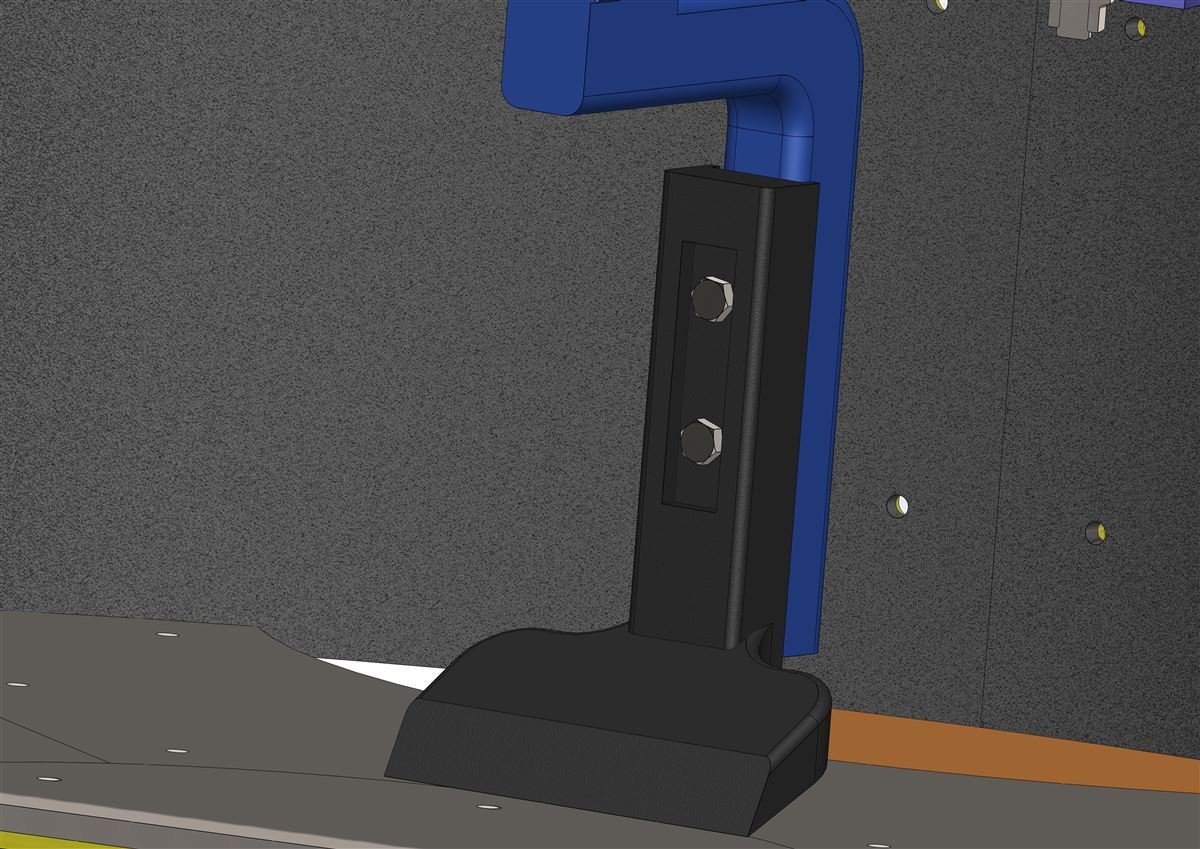
- Mixing Paddles and Blades: These arms push through the concrete at high speed. They experience both friction and impact forces, requiring regular clearance adjustments to scrape the floor cleanly without jamming.
- Outer and Inner Scrapers: Positioned at the outer walls and inner turret, scrapers prevent material buildup and ensure that all concrete is directed toward the discharge gate.
Strategic Maintenance for Maximum Component Life
While Ni Hard white iron is highly durable, achieving a lifespan exceeding 5,000 m³ of concrete production requires proper plant maintenance practices:
1. Blade Clearance Adjustment
As the mixing blades wear down, the gap between the blade edge and the floor liners increases. If this gap exceeds 5mm, aggregate particles can get wedged between them, causing intense friction, aggregate crushing, and micro fractures in the castings. Scrapers and blades should be adjusted weekly using the integrated slots to maintain a clean 2mm to 4mm clearance.
2. Regular Cleaning Protocols
Allowing concrete residue to harden on the Ni Hard plates creates uneven surfaces. When the next batch is mixed, the new aggregates strike these hardened mounds, creating localized stress concentrations and accelerating wear. Thorough washing at the end of each shift is essential.
Total Cost of Ownership (TCO) Analysis
Some plant managers hesitate to buy Ni Hard spares because the initial purchase price is higher than basic fabricated steel parts. However, a simple TCO calculation reveals the massive financial benefit:
A standard steel liner set costing less initially may last only 1,000 m³ of concrete. Replacing it requires shutting down the batching plant for 2 full days, paying for maintenance labor, and losing revenue from paused concrete deliveries. In contrast, Balaji’s Ni Hard liner set lasts up to 5,000 m³. Over the same timeframe, the plant manager who bought the cheaper steel liners has paid for 5 sets of liners, 5 maintenance shutdowns, and lost 10 days of production. Choosing Ni Hard castings reduces long term operational expenses by over 40%.
Conclusion
For concrete producers aiming for maximum uptime and operational efficiency, Ni Hard wear components are the industrial standard. By pairing high hardness alloy metallurgy with proper maintenance routines, precast and RMC plants can drastically reduce their wear costs per cubic meter.
Balaji Construction Machines & Spares manufactures premium Ni Hard castings and replacement spares in Satara, Maharashtra, supplying high wear parts to plants all across India. Contact our sales engineers to upgrade your mixer liners today.
Frequently Asked Questions (FAQ)
What is Ni Hard white cast iron and what is its composition?
Ni Hard is a specialized nickel chromium white iron alloy containing 3% to 5% nickel and 1.5% to 3% chromium. The chromium forms exceptionally hard chromium carbides, while the nickel stabilizes the martensitic matrix, providing high impact toughness and wear resistance.
Why is a Brinell hardness of 550 HB critical for concrete mixing?
A hardness of 550 HB allows the metal to resist scratching from highly abrasive concrete aggregates like sand and granite. Basic hardened steels only have a thin surface hardness, whereas Ni Hard maintains its 550 HB rigidity throughout the entire casting thickness.
How many cubic meters of concrete can Ni Hard liners withstand?
Under normal operating conditions with standard aggregates, a high quality 16mm Ni Hard liner set can withstand up to 5,000 m³ of concrete throughput before requiring replacement.
How do you adjust mixing blades to compensate for wear?
Balaji mixing blades feature slotted connection bolt holes. Operators can loosen the mounting bolts, slide the blade downward to re-establish a 2mm to 4mm clearance from the floor liner, and retighten the bolts, extending the blade's service life.
Can Ni Hard liners be welded or repaired?
Due to their high carbon and martensitic structure, Ni Hard castings are highly prone to cracking when heated and cannot be reliably welded. Worn or damaged liner plates should always be replaced as individual segments rather than repaired with welding.