
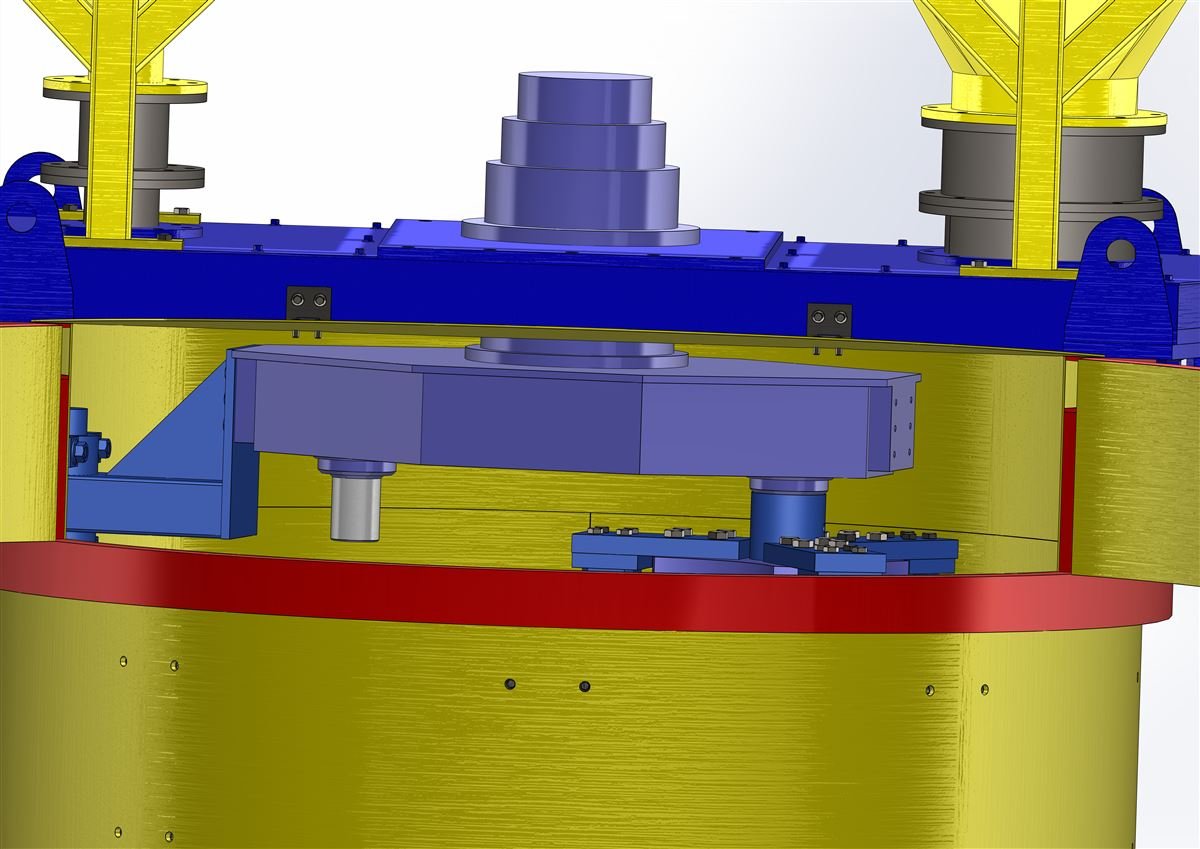
Concrete mixer gearbox India
What is a concrete mixer gearbox?
A concrete mixer gearbox is a specialized speed reducer designed to transmit high rotational torque from the electric drive motor to the mixing shaft. Built to handle intense shock loads, these gearboxes reduce motor speed to the required mixing velocity (typically 15 to 30 RPM) while multiplying the torque required to blend dry-cast, zero-slump, and highly viscous concrete aggregates.
In concrete production, the gearbox is the most critical mechanical component. A failure in the gear system halts production, resulting in batch waste and plant downtime. Understanding the design variations, thermal ratings, and load safety factors of concrete mixer gearboxes in India is essential for optimizing plant reliability.
This technical guide examines the design differences between planetary and pan mixer gearboxes manufactured in Maharashtra, India, focusing on mechanical durability and maintenance practices.
Concrete Planetary Mixer Gearbox Maharashtra, India
The planetary concrete mixer gearbox is a highly engineered epicyclic gear reducer. In a planetary system, the input shaft drives a central sun gear, which meshes with multiple planetary gears arranged in a rotating carrier. These planetary gears simultaneously roll inside a stationary outer ring gear, driving the vertical output shaft.
This epicyclic geometry distributes the rotational torque load across multiple gear teeth contact points. This torque sharing allows planetary gearboxes to handle immense starting and shock loads within a compact housing compared to standard parallel shaft gear reducers.
In the engineering hub of Satara, Maharashtra, manufacturers like Balaji design planetary gearboxes with a **2.0 Factor of Safety**. This rating ensures the internal gears, shaft seals, and bearings can withstand double the maximum operating torque of the electric motor, preventing gear stripping and shaft deformation under heavy load starts.
Concrete Pan Mixer Gearbox Maharashtra, India
The concrete pan mixer gearbox features a different mechanical design. Since a pan mixer utilizes a single central vertical shaft with fixed arms, the gearbox is typically a vertical bevel helical or heavy duty worm gear reducer located directly under or above the pan.
This design relies on a large vertical thrust bearing located inside the gearbox assembly. This bearing must support the entire dead weight of the central shaft, mixing arms, and blades, as well as the downward force exerted during aggregate compression. While mechanically simpler and less expensive to manufacture than planetary gear systems, pan mixer gearboxes require robust thrust bearing protection to prevent shaft wobble and oil seal failures.
Pan mixer gearboxes manufactured in Maharashtra focus on heavy duty cast iron housings and oversized oil sumps, which help dissipate heat during continuous, long cycle block and brick production.
Comparison: Planetary vs. Pan Mixer Gearbox Design
This technical matrix outlines the key differences between planetary and pan mixer gear reducers:
| Feature | Planetary Mixer Gearbox | Pan Mixer Gearbox |
|---|---|---|
| Gearing Configuration | Epicyclic (Sun, Planet, Ring gears) | Vertical Bevel Helical / Worm Gear |
| Load Distribution | Excellent (Shared across planet stars) | Concentrated on output shaft pinion |
| Mechanical Efficiency | High (95% to 97%) | Moderate (88% to 92%) |
| Lubrication System | Forced splash / Integrated oil pump | Oil bath / Splash lubrication |
| Sealing System | Double lip seals + Concrete dust shield | Standard radial oil seals |
Key Differentiators of Satara, Maharashtra Manufacturing
Satara, Maharashtra has established itself as a leading engineering center for concrete mixing machinery in India. Gearboxes produced at Balaji's MIDC Satara facility incorporate specific design features to handle local operating conditions:
- Precision Ground Gear Teeth: All gears are CNC profile ground to reduce friction, operating temperatures, and mechanical noise.
- Case Hardened Steel: Gears are manufactured from high grade alloy steel (such as 20MnCr5) and case carburized to a hardness of 58-62 HRC, providing maximum wear resistance.
- Watertight Sealing Systems: The lower output shaft is protected by a labyrinth seal arrangement combined with dual oil seals, preventing abrasive cement slurry from bypassing the seals and contaminating the gear oil.
Gearbox Maintenance Checklist
To maximize the lifespan of your concrete mixer gearbox, establish a regular maintenance schedule:
- Daily Visual Inspections: Check for oil leaks around the input/output shafts and monitor the operating temperature (ideal operating range is 60°C to 80°C).
- Weekly Oil Level Verification: Ensure the oil level remains within the designated range using the dipstick or sight glass.
- Regular Oil Replacements: Replace the gear oil after the initial 100 operating hours (break-in period), and every 1,500 to 2,000 operating hours thereafter, using high-quality EP (Extreme Pressure) gear oil.
Conclusion
The durability of your concrete batching plant depends heavily on the quality of its gearbox. Investing in robust drive systems designed with high safety factors helps minimize unplanned downtime and ensures consistent mixing performance.
Balaji Construction Machines & Spares manufactures premium planetary and pan concrete mixers equipped with custom-engineered gearboxes at our Satara, Maharashtra facility. Contact our engineering team today to discuss your plant drive requirements.
Frequently Asked Questions (FAQ)
What is a concrete mixer gearbox and why is it critical?
A concrete mixer gearbox is a mechanical speed reducer that transmits torque from the motor to the mixing shaft, reducing rotational speed while multiplying the torque required to blend heavy aggregates. It is critical because it bears the primary mechanical loads during the mixing cycle.
How does a planetary mixer gearbox differ from a pan mixer gearbox?
A planetary mixer gearbox utilizes epicyclic gearing (multiple gears meshing with a central sun gear) to distribute torque loads. A pan mixer gearbox typically uses a bevel helical or worm gear configuration to drive a single vertical shaft, relying on heavy-duty thrust bearings to support the shaft weight.
Why are Balaji gearboxes in Satara designed with a 2.0 safety factor?
A 2.0 Factor of Safety ensures the gearbox components are designed to handle twice the maximum operating torque of the motor. This protects the gears from stripping during high-resistance startups or when mixing dry, zero-slump concrete formulations.
What is the common cause of concrete mixer gearbox failure?
Common causes include oil seal failure (which allows cement dust to enter and contaminate the gear oil), inadequate lubrication, and tooth wear caused by running the mixer beyond its design capacity.
How often should the gear oil be changed in an industrial mixer?
The gear oil should be changed after the first 100 hours of operation for a new gearbox, and every 1,500 to 2,000 operating hours thereafter, using the recommended EP gear oil grade.